Fit to Serve
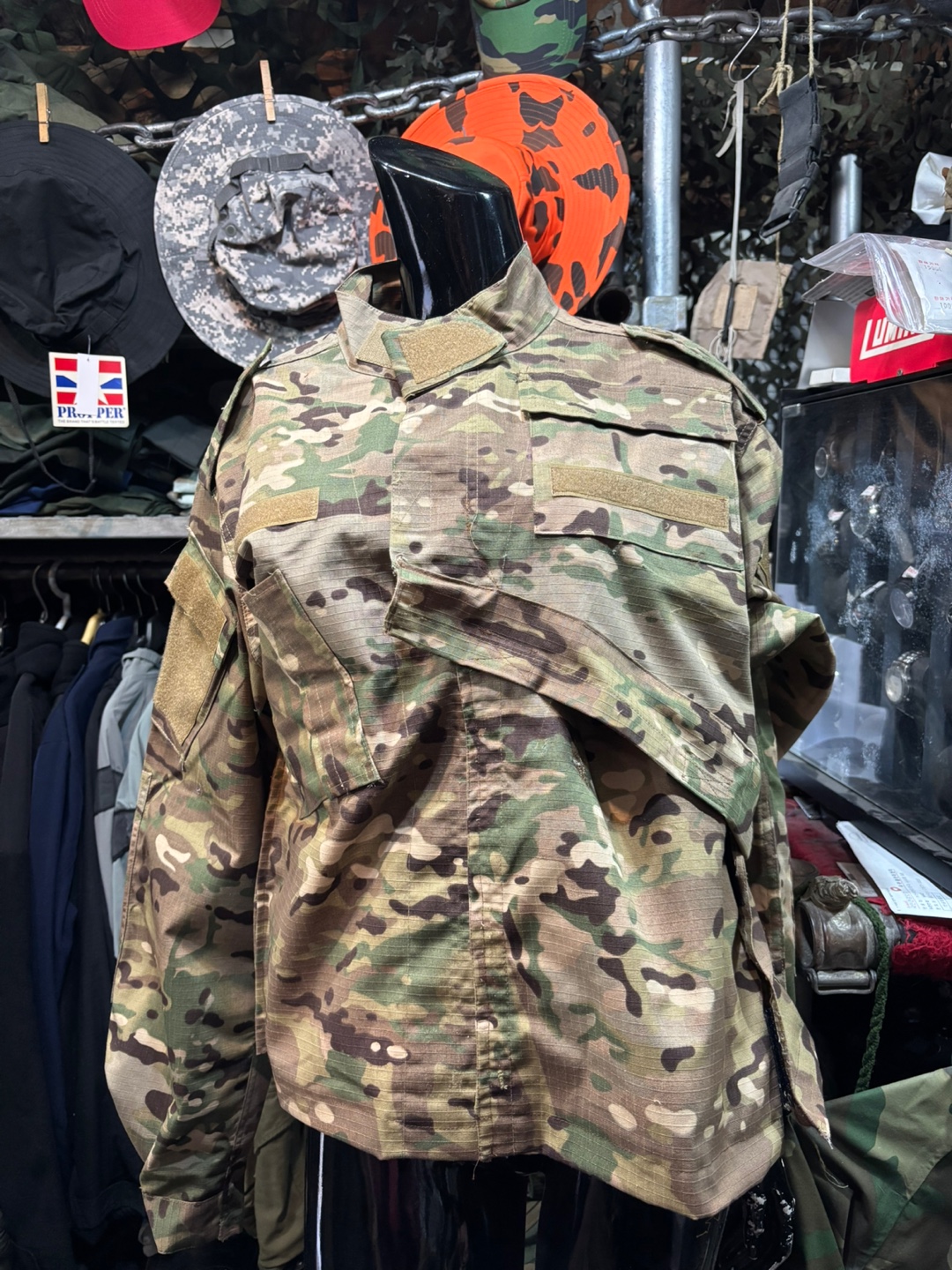
Standard military uniforms were designed around a male body. Women have been wearing them anyway, adjusting, making do, ignoring the discomfort. Fit to Serve is a redesign project that starts from scratch, taking women's bodies, movements, and needs as the baseline rather than the afterthought. It is a design project, but it is also an argument: that being included in the design means being recognized as someone worth designing for.


Project Overview
어떤 계기로 이 프로젝트를 준비하게 됐는지, 기존 군복이 여성에게 맞지 않는다는 걸 어떻게 알게 됐는지? 어떤 사례나 데이터를 발견했는지 등등
Fit to Serve
While talking with female veterans, I learned that wearing uniforms built for male bodies creates problems for women that range from minor discomfort to lost performance. The more I listened, the more I understood these were not small complaints. When the environment ignores women, it holds them back. I started wondering whether I could redesign the uniform for a female body, at a similar cost, without starting from nothing.
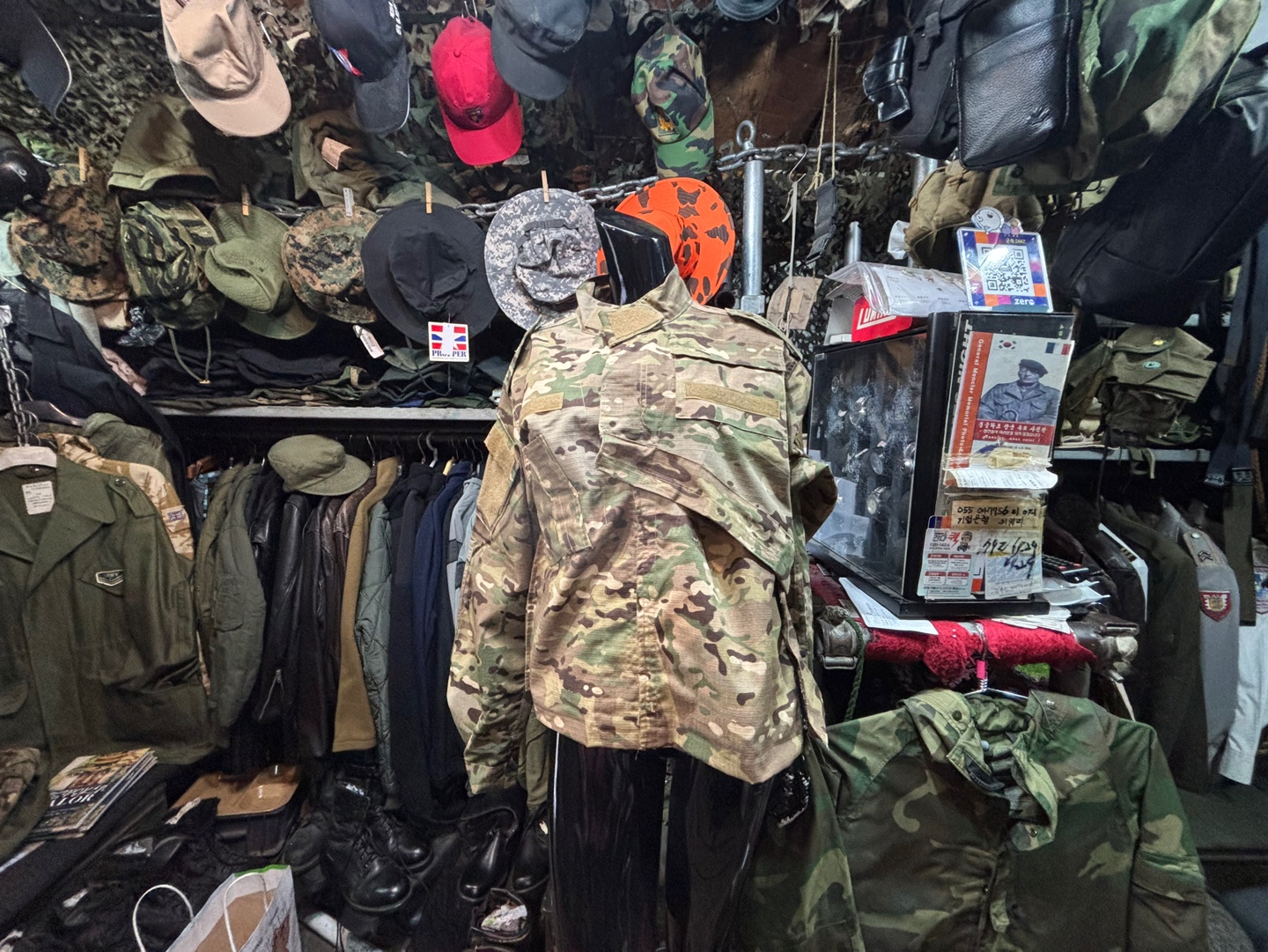
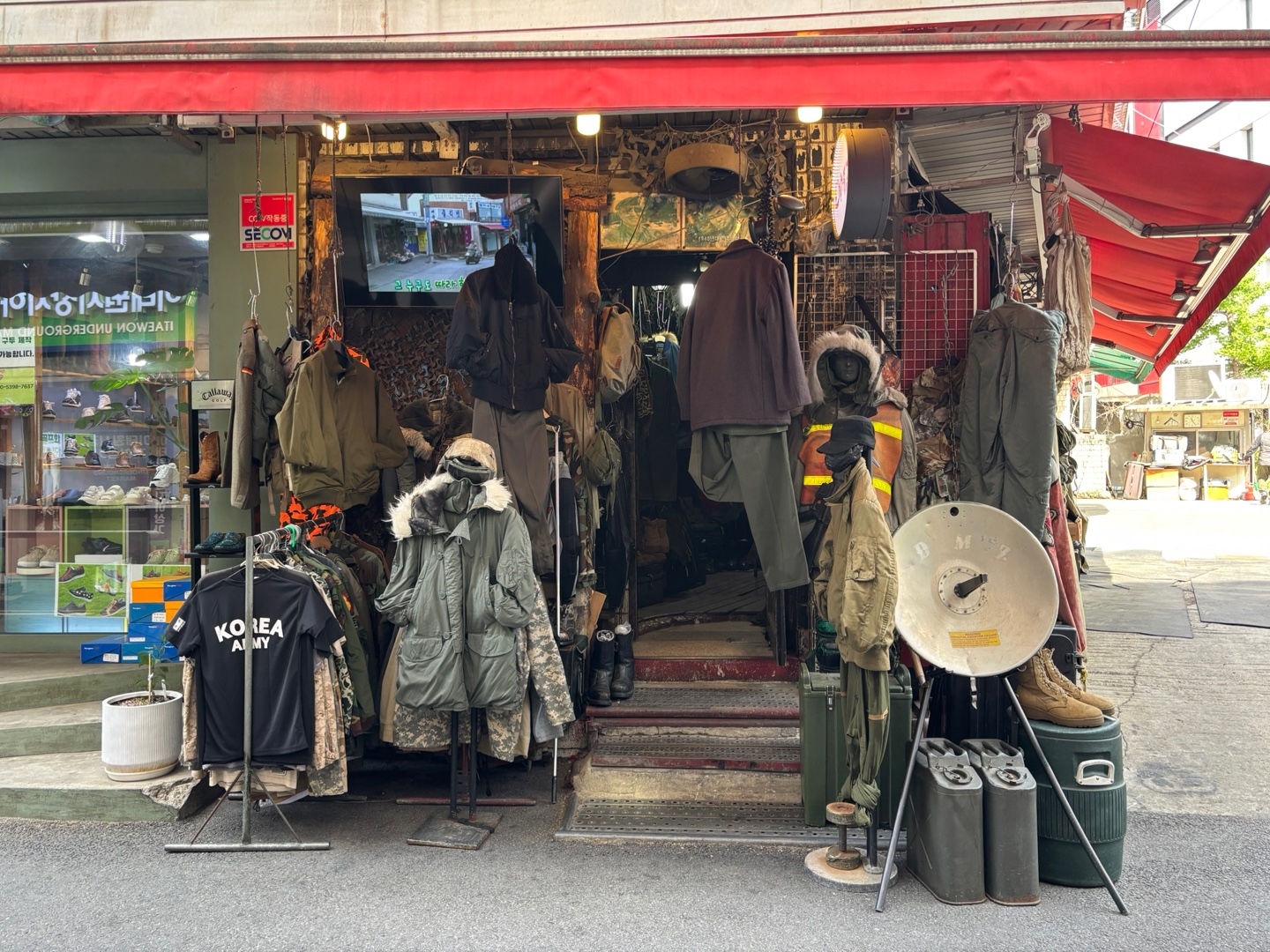
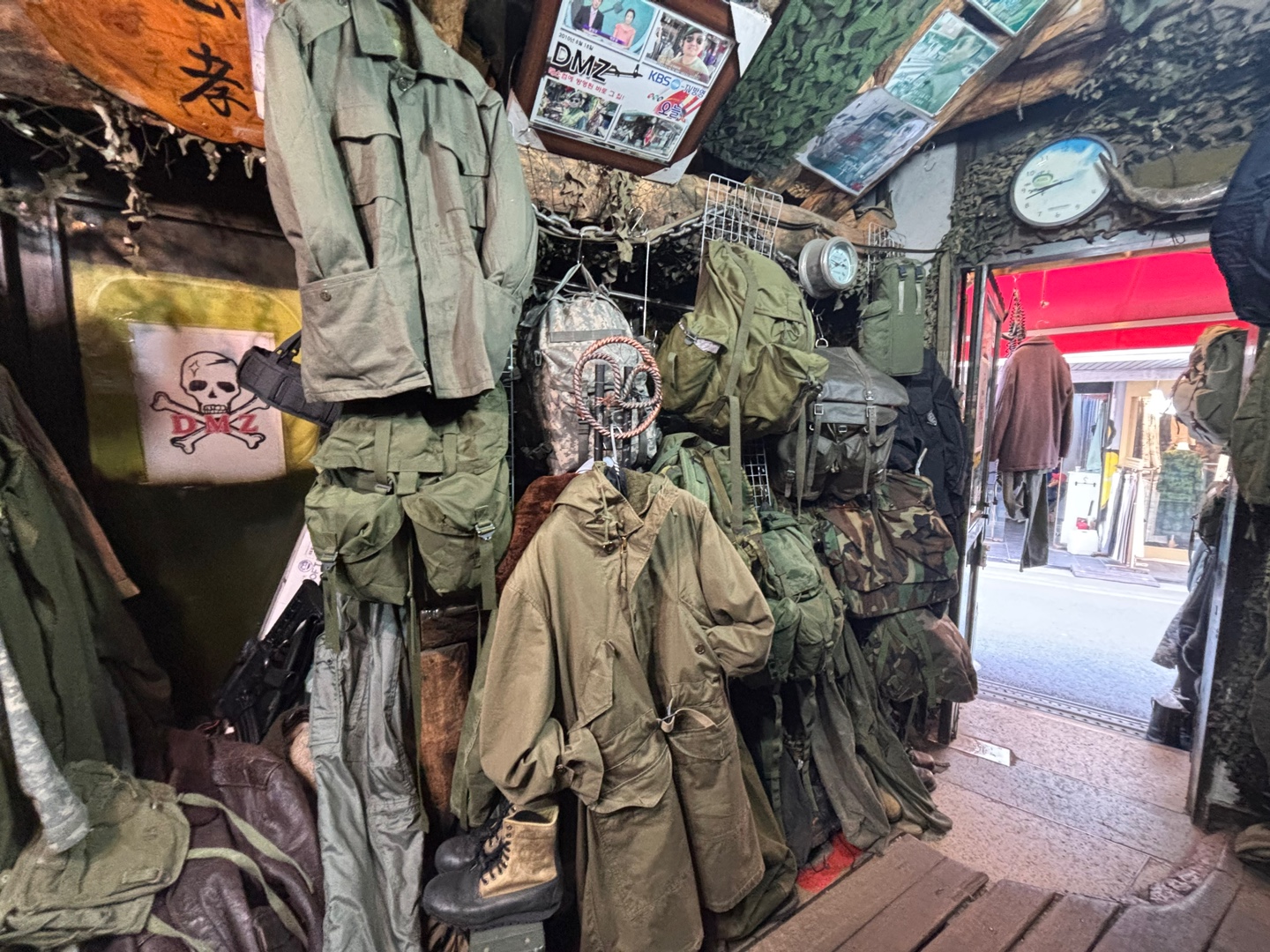
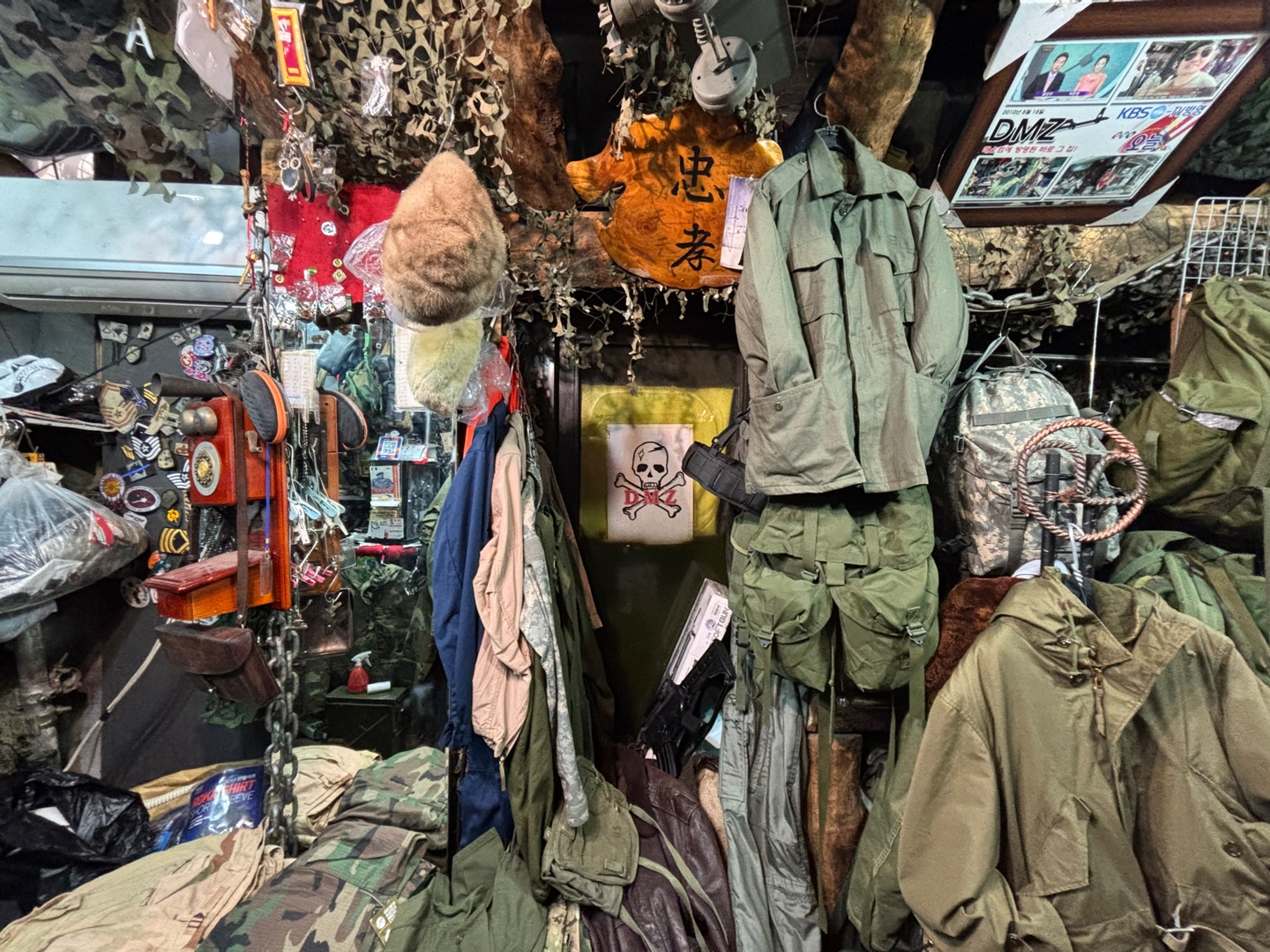
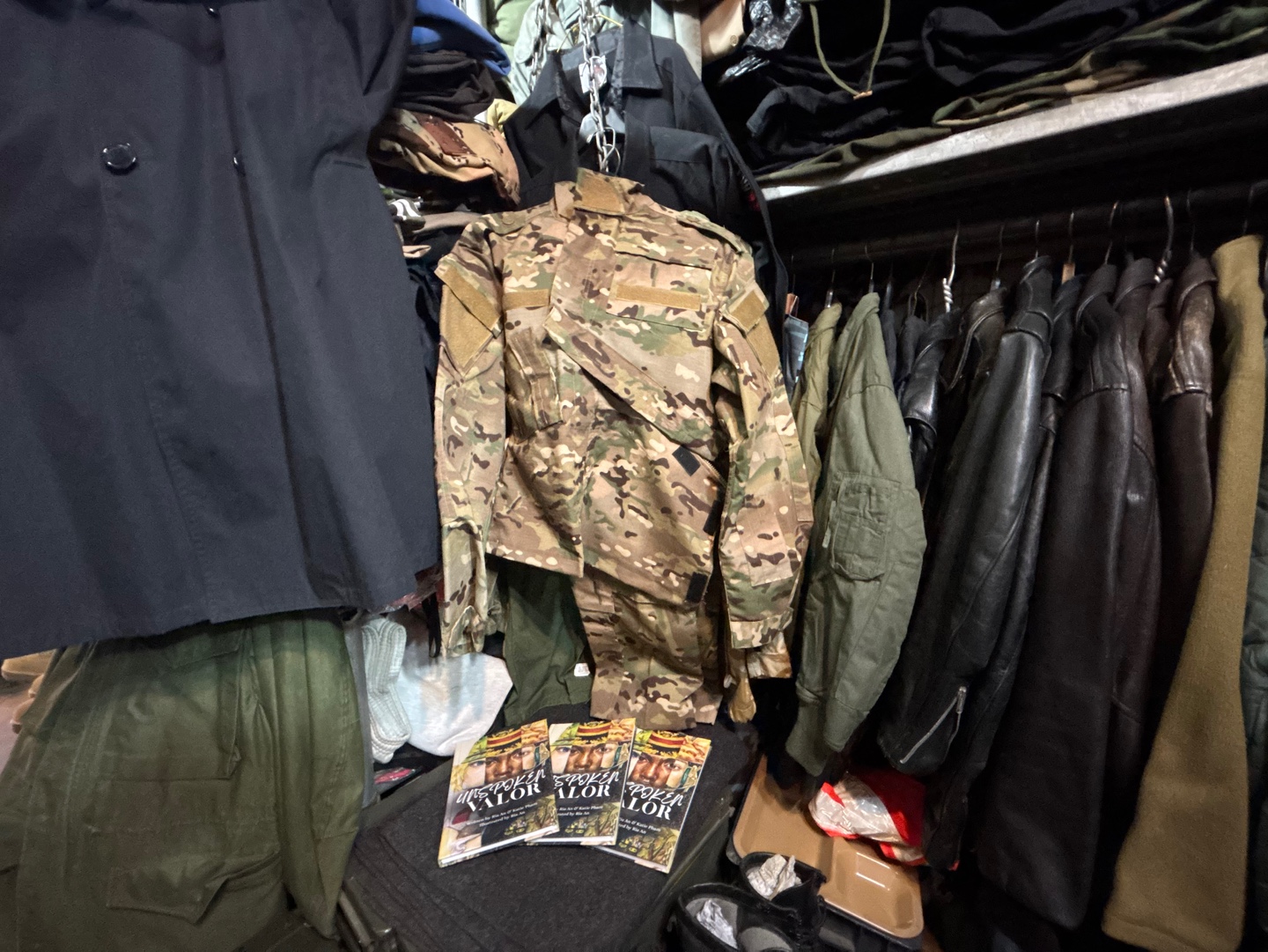
I also organized a popup exhibition and sales event with the owner of DMZ, a military surplus store in Itaewon, Seoul. The owner has spent over 35 years researching and collecting military uniforms, and that knowledge shaped the project in ways I could not have reached alone. The store became a space to show the garment and the thinking behind it. Why I made it, who I made it for, and what it means to design with a person in mind rather than around them.
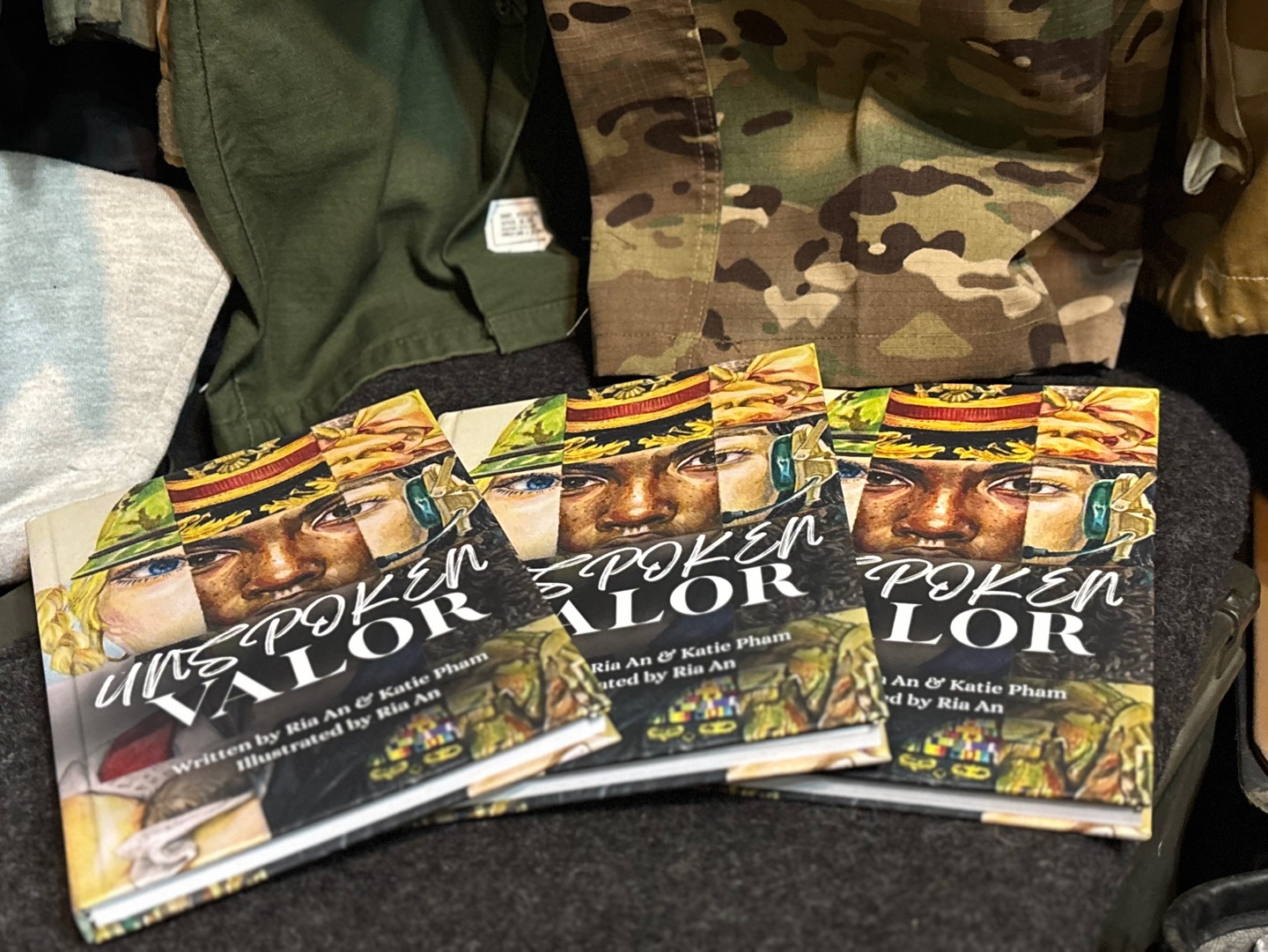
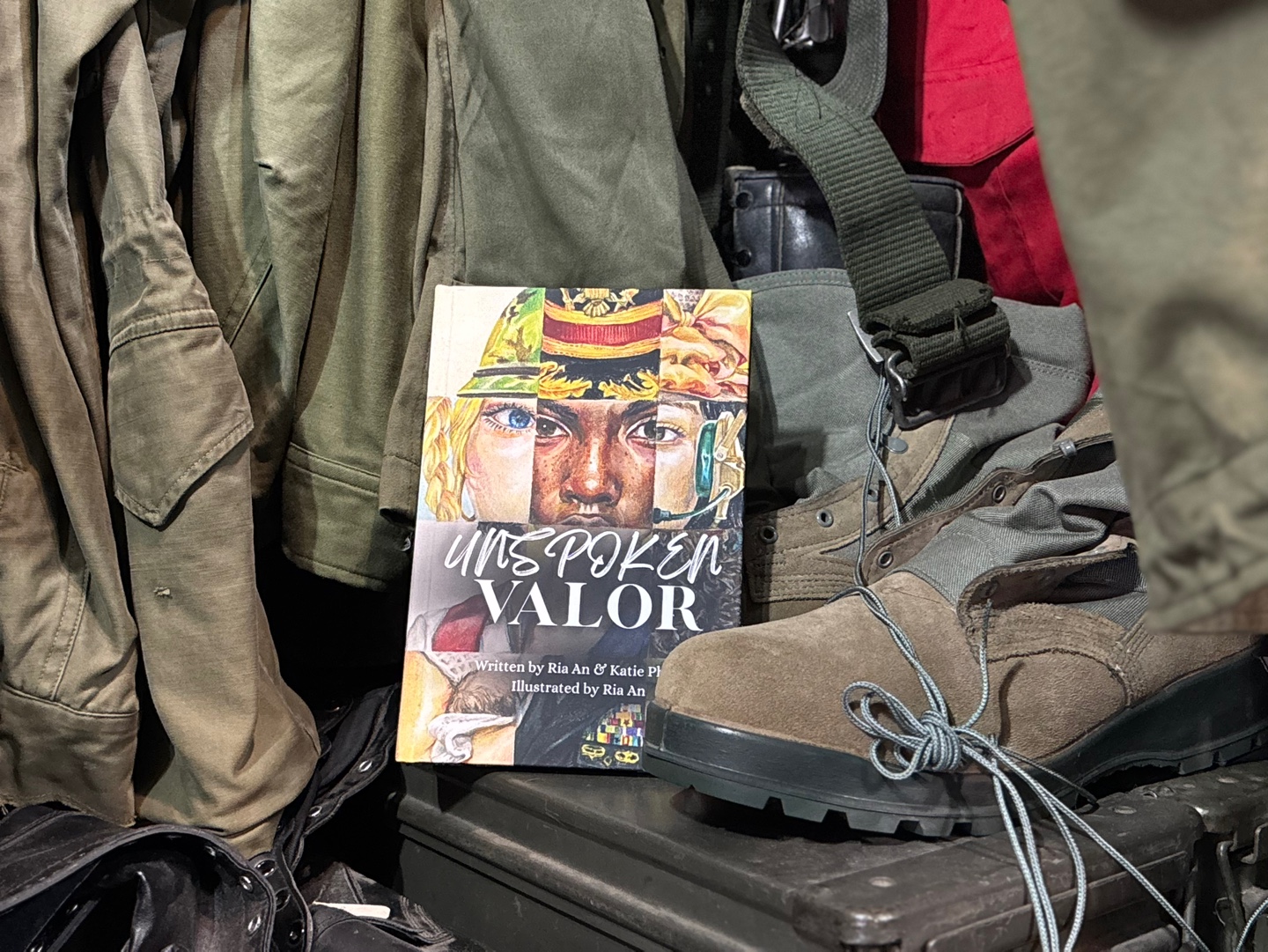
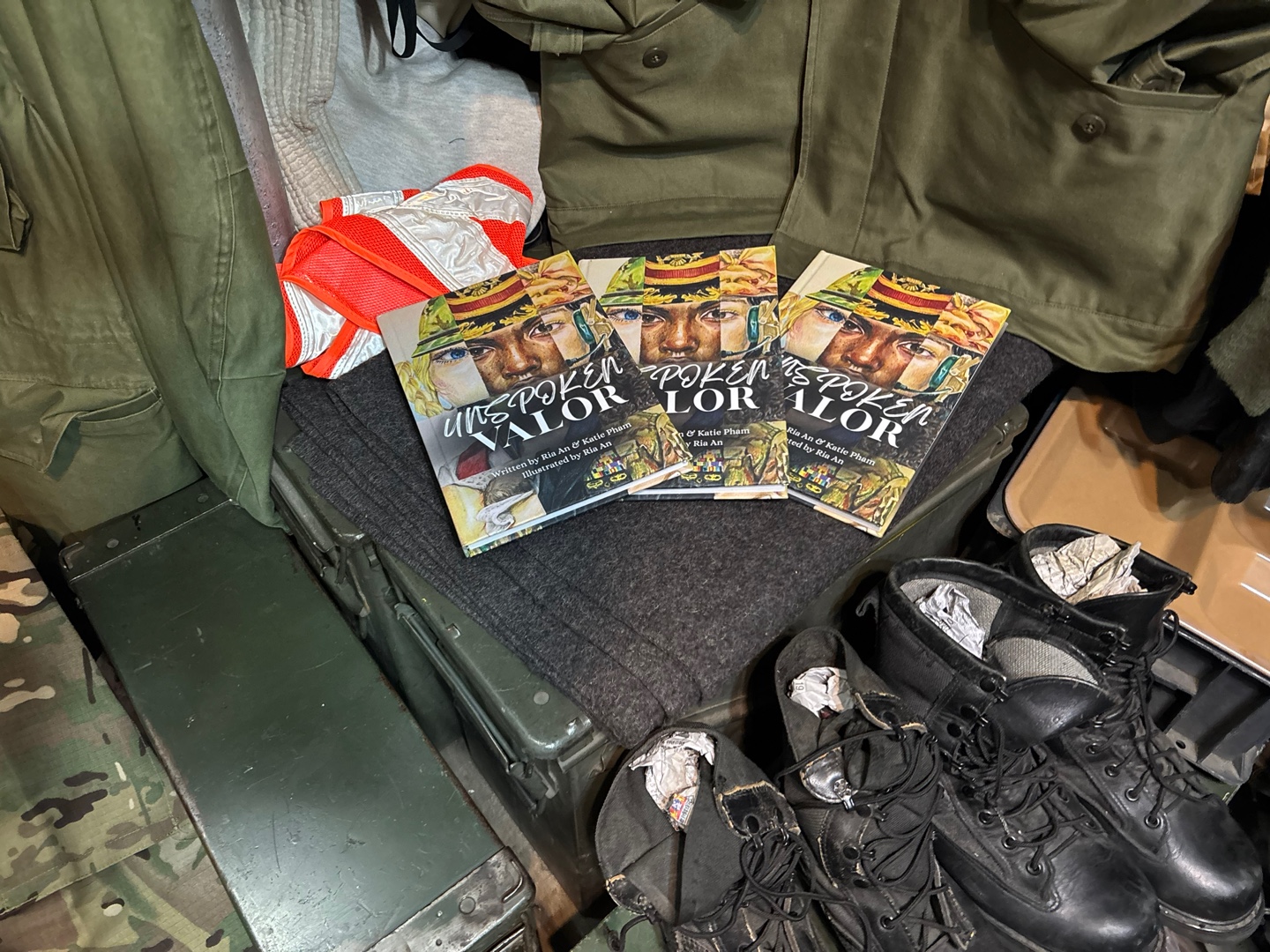
Unspoken Valor
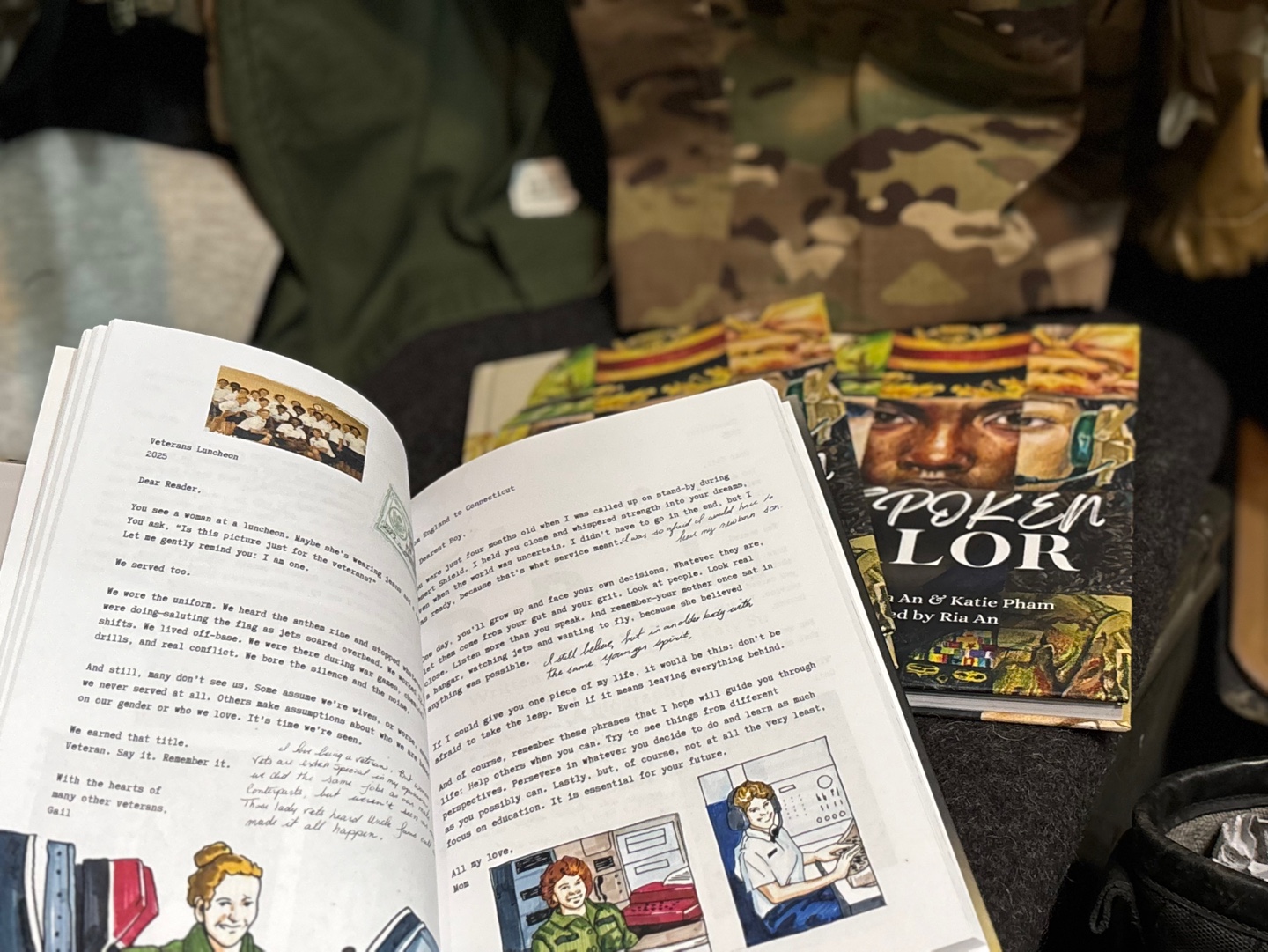
Unspoken Valor grew out of the same interviews that shaped Fit to Serve. I wrote and designed the book myself. It records the lives of nine women veterans in the United States, honors what they gave up, and celebrates service that too often goes unnamed.
Each woman carried a story she had rarely been asked to tell. The book holds those stories together, not as data points but as lives. The frustrations they had normalized, the sacrifices they had made quietly, and the pride that came with all of it.
WFSB Channel 3 in Connecticut featured my book, introducing it as the work of a high school student made to honor women veterans. The segment carried the project beyond the page and into the communities the women came from.
The Problem
While talking with female veterans, I learned that wearing uniforms designed for male bodies creates a range of issues for women — from minor discomforts to real performance problems. The more I listened, the more I realized these weren't small complaints. When the environment doesn't account for women, it actively holds them back. I started wondering whether it was possible to redesign the uniform for a female body, at a roughly similar cost, without starting from scratch.


Design Modifications
MODIFICATION 1
Lower zip for biological needs
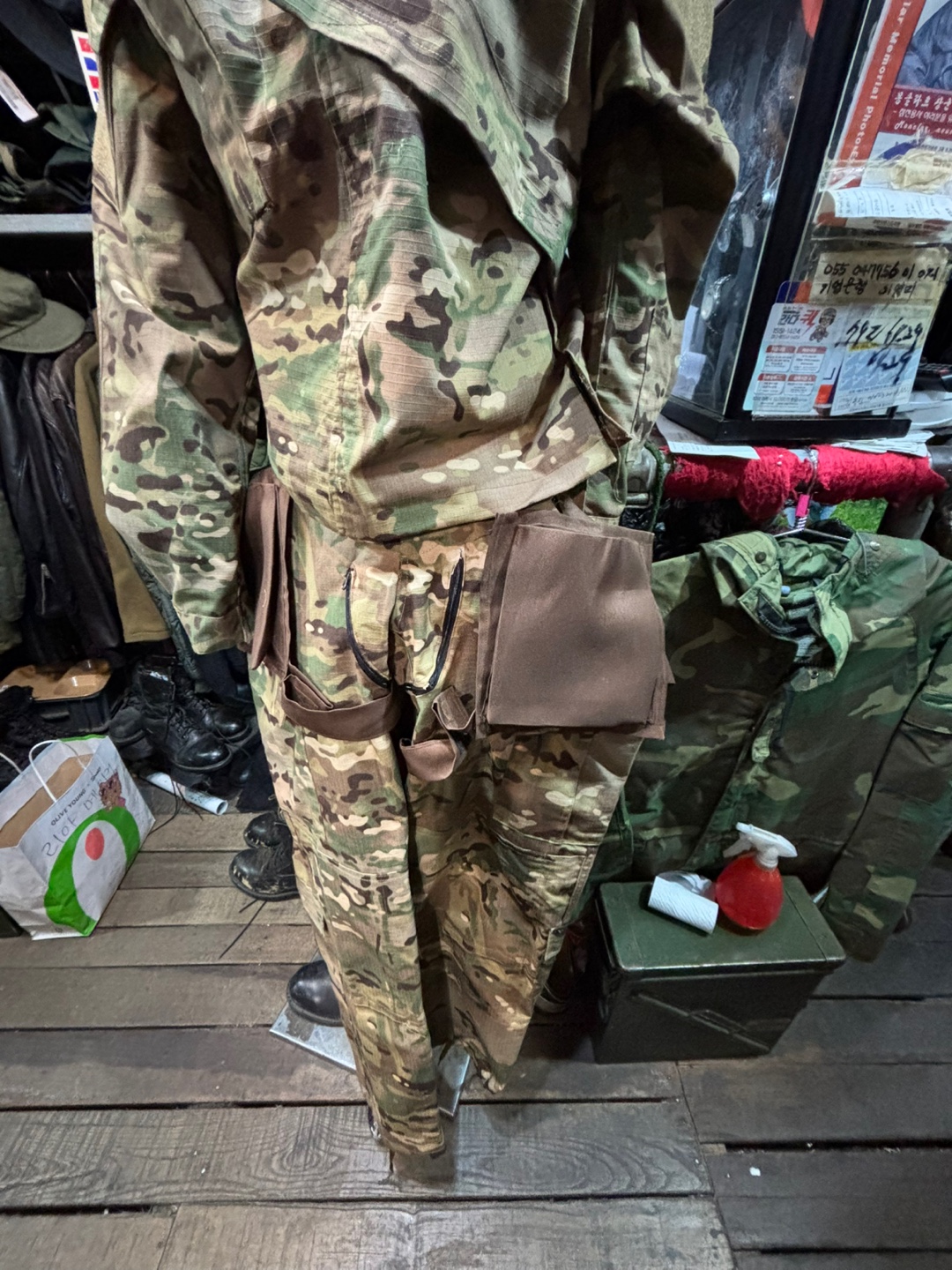
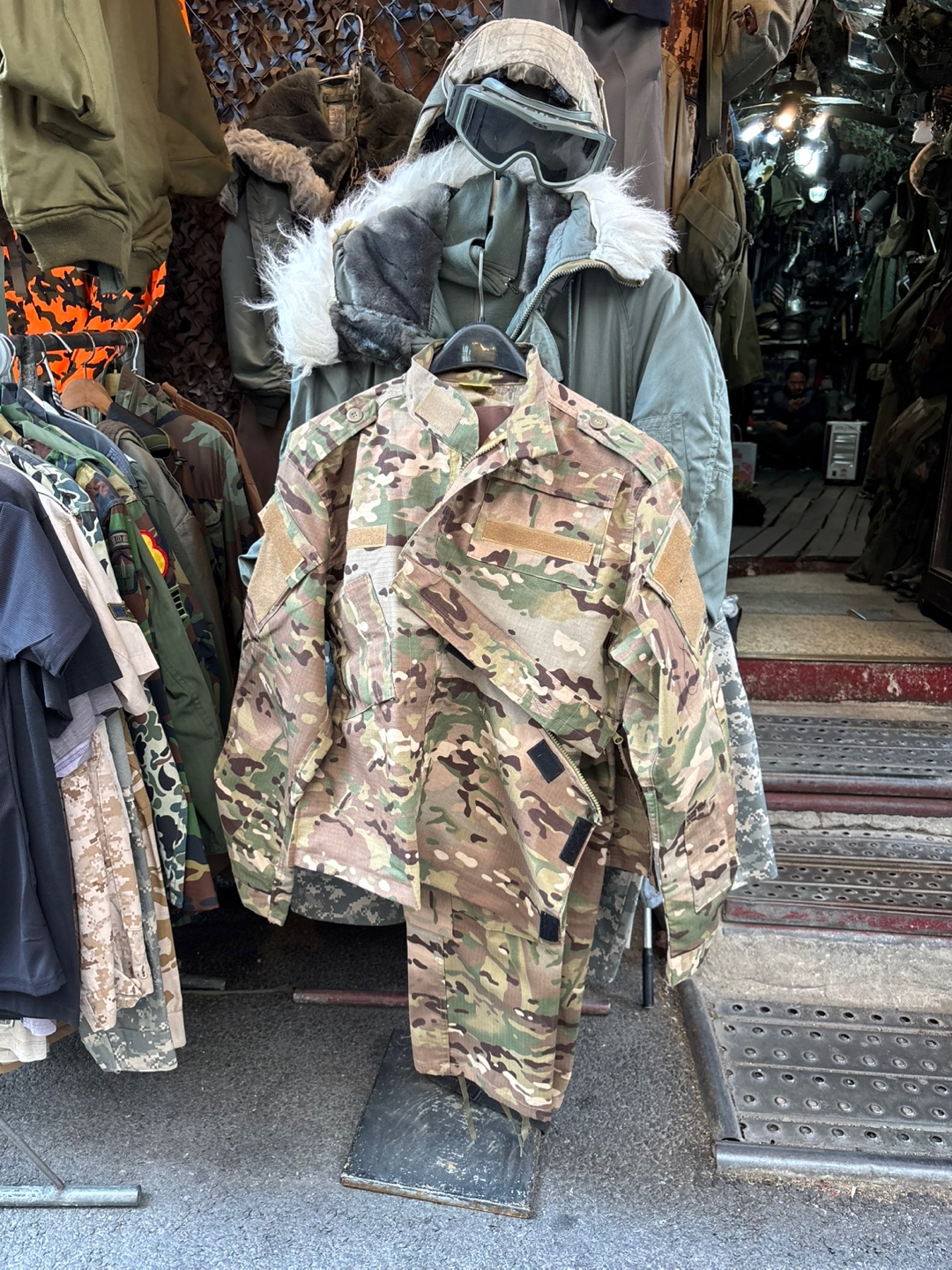
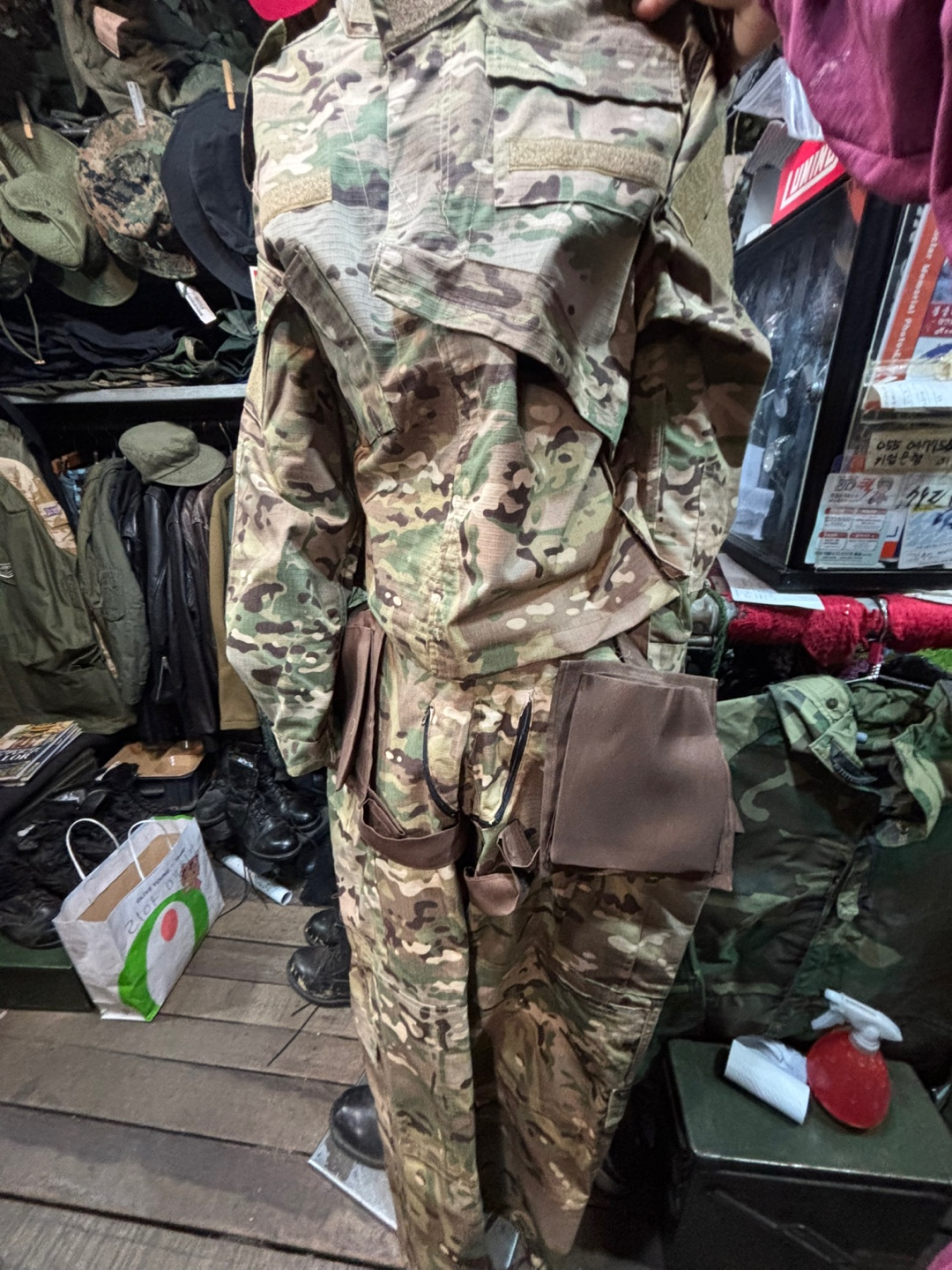
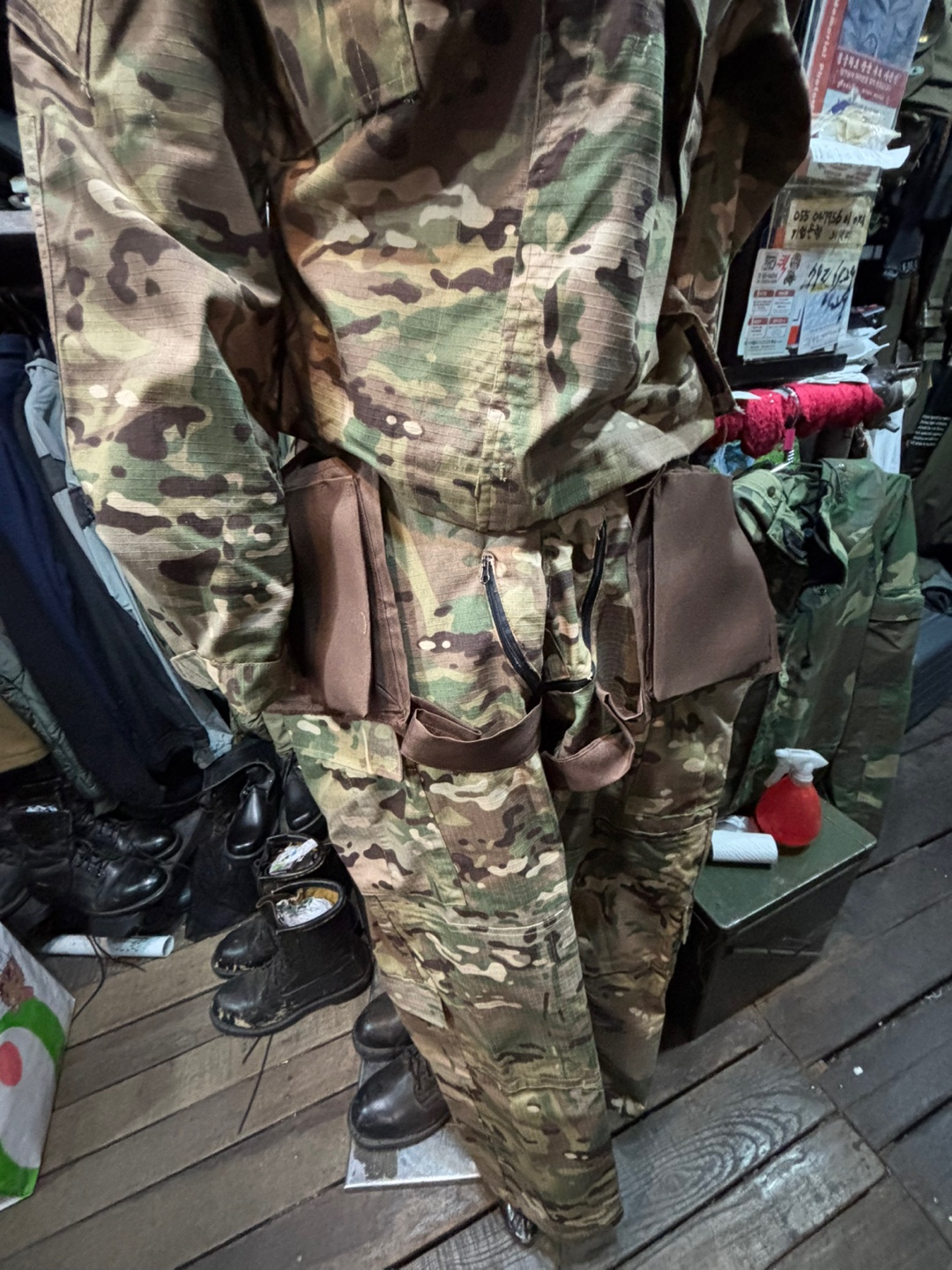
The standard front zip was designed for male anatomy. Women don't use it the same way. A secondary zip at the lower section was added to allow faster, easier access during menstruation or basic biological functions — reducing the time and friction that shouldn't exist in the first place.

MODIFICATION 2
Diagonal closure
A straight front closure presses directly against the chest. The redesign uses a diagonal fastening structure for the top, minimizing chest compression and allowing a more natural fit for developed chest anatomy.

MODIFICATION 3
Weight redistribution harness with multi-pocket system
Research showed that women tend to outperform men in endurance over men in strength-based tasks — in mixed-gender 200km races, women frequently come out ahead. With that in mind, the design shifts load away from the upper body and redistributes it downward through a multi-pocket harness system. An additional leg pocket was also added to further distribute gear weight to the lower body, where female physiology is strongest.

MODIFICATION 4
Knee ventilation panels with velcro attachment
Women store and release more heat through the lower body due to higher fat and muscle concentration in that area. Ventilation cuts at the knee, secured with velcro, allow airflow to be adjusted based on conditions — reducing heat buildup without compromising protection.

MODIFICATION 5
Adjustable ankle straps
Female soldiers, particularly those with smaller frames, often struggle with excess fabric at the hem when wearing different boot heights — combat boots, cold-weather boots, field boots. Adjustable straps at the ankle allow the hem width to be tightened or loosened as needed, making movement cleaner and reducing cold exposure during field operations.

MODIFICATION 6
Velcro attachment points on chest and shoulders
To reduce reliance on arm strength, velcro panels were added across the chest and shoulder areas, allowing equipment to be attached directly to the body at any point. Less lifting, less adjusting, less fatigue.

MODIFICATION 7
Rear waistband adjustment
A rear adjustable waistband was added so the fit around the waist can be modified throughout the day. Clothing that shifts or bunches during extended wear is a distraction. This removes that.

Fit to Serve X DMZ Pop-up Store
In collaboration with the owner of DMZ, a military surplus and clothing store in Itaewon, Seoul, I organized a popup exhibition and sales event featuring the redesigned female military uniform. The owner has spent over 35 years researching, collecting, and archiving military uniforms and their history, a depth of knowledge that shaped the project in ways I couldn't have reached alone. His expertise informed the design process directly, grounding each decision in the realities of how military garments are actually built, used, and worn.
The store became a space to show not just the garment, but the thinking behind it. Why it was made, who it was made for, and what it means to design something with a person in mind rather than around them.
Alongside the uniform, I exhibited and sold Unspoken Valor, a book I wrote and designed that documents the research, conversations, and design process behind the project. The book carries the voices of the female veterans I spoke with, the frustrations they'd normalized, the adjustments they'd quietly made for years, and what it felt like to be considered, finally, in the design of something they wear every day.